

You have a date, a rough guest list, and a feeling that you should be doing more than you are. The standard checklist for a traditional funeral does not quite fit what you have in mind for this day. You want something that reflects the personality of the person you are honoring, but the logistics can feel heavy when you are also managing your own quiet moments of reflection. This guide is the list. It is designed to walk you through the practical steps of organizing a meaningful event without adding to your stress. By the end of this page, you will have a clear path forward.
Planning a celebration of life involves selecting a meaningful location, choosing a date that allows people to travel, and setting up celebration of life photo sharing to organize stories and pictures from everyone. Focus on personal touches, such as their favorite music or food, rather than traditional formalities. The goal is to create a space where friends and family feel comfortable sharing memories and celebrating the life lived.
Download The Free Celebration of Life Planner (PDF)
A printable 13-page planning guide with a six-week timeline, roles sheet, day-of run sheet, program template, host scripts, and budget tracker. Totally free to download with no email or account required.
Step 1: Decide the shape and feeling of the day
The first step in understanding how to plan a celebration of life is deciding what the atmosphere should be. Unlike a traditional funeral, which follows a specific religious or formal structure, a celebration of life is flexible. It can be as grand or as intimate as you wish. Before you book a venue or send an invitation, sit down with a few close friends or family members to discuss the vibe of the event. Think about the person you are remembering. Were they someone who loved a quiet afternoon in the garden, or were they the first person on the dance floor at a wedding? If you are looking for creative ways to structure the day, explore our collection of celebration of life ideas for inspiration.
Establish the tone
Tone is the foundation of the event. Some families choose a festive atmosphere with bright colors and upbeat music. Others prefer a reflective, casual gathering that feels like a Sunday afternoon at home. There is no wrong choice here. The only requirement is that it feels authentic to the person. If they hated formal suits and stiff ceremonies, a backyard barbecue might be the most respectful way to honor them. If they loved the theater and fine dining, a cocktail hour at a local gallery might be more appropriate.
Consider the guest list size
While you do not need a final count yet, you should have a rough idea of how many people will attend. This will dictate your venue options and your budget. Start by listing the immediate family, then move to close friends, coworkers, and community groups. If the person was very active in their neighborhood or profession, the list might grow quickly. Knowing whether you are planning for 30 people or 300 will change every decision you make from this point forward.
Set a loose theme
A theme does not have to be elaborate. It can be as simple as asking everyone to wear a specific color that the person loved. It could also involve the person’s favorite hobby, such as gardening, classic cars, or a specific sports team. These small details help guests feel connected to the person and provide an easy conversation starter for people who may not have met before.
Step 2: Choose the date, time, and location
Once you know the feeling of the day, you need to pin down the logistics. The timing of a celebration of life is one of its greatest advantages. Because it does not have to happen immediately after a death, you have the luxury of time to plan and coordinate. This allows distant relatives and friends to clear their schedules and make travel arrangements. Choosing a date that is a few weeks or even months away can also give the immediate family time to breathe before hosting a large group. To keep every task organized across family members, download our free Celebration of Life Planner to print out checklists and hand sheets to helpers.
Selecting a venue
The location should reflect the person’s interests. While funeral homes and community halls are common choices, do not feel limited by them. Consider public parks, local restaurants, VFW halls, or even a private residence. If you are leaning toward hosting at home, review our guide on how to hold a celebration of life at home for advice on parking, seating, and space management. If the person loved the water, a gathering at a beach or a lakeside dock could be perfect. Make sure the venue has the necessary amenities, such as seating for older guests, restrooms, and a space for food service. If you are choosing an outdoor location, always have a backup plan for rain.
Timing the event
Consider the day of the week and the time of day. Saturday afternoons are popular because they allow for travel, but a Sunday brunch or a Friday evening gathering can also work well. Think about the energy of the event. A morning event followed by lunch feels very different from an evening event with appetizers and drinks. Ensure the time frame gives people enough room to arrive, mingle, and say their goodbyes without feeling rushed.
Managing RSVPs
In the digital age, managing a guest list is much easier than it used to be. You can use free online invitation tools or social media groups to track who is coming. For older guests, a few phone calls from family members can bridge the gap. Be clear about the RSVP deadline so you can give the venue or the caterer a final headcount. This helps prevent the stress of running out of chairs or food on the day of the event.
Step 3: Decide who will speak and structure the moments
A celebration of life usually centers on stories. Unlike a funeral where a member of the clergy might lead the service, a celebration is often led by a family friend or a professional celebrant. This person acts as the host, keeping the event on track and introducing the people who wish to speak. Having a loose structure helps the day feel organized and ensures that the most important stories are told.
Choosing a host
The host does not need to be a public speaker, but they should be someone who is comfortable speaking in front of a group and can remain calm. Their job is to welcome everyone, explain the flow of the event, and provide transitions between speakers. If no family member feels up to the task, consider asking a close friend who knew the person well. Their presence will provide a sense of stability and warmth to the proceedings.
The speaking order
It is helpful to have three to five people pre-selected to share a story or a reflection. These speakers should represent different parts of the person’s life, such as a sibling, a child, a childhood friend, and a coworker. Give them a time limit, usually three to five minutes, so the event moves along. You might also want to include an open mic portion at the end where anyone can share a brief memory, but keep this section structured so it does not go on for too long.
Music and transitions
Music is a powerful tool for setting the mood. You can play a curated playlist of the person’s favorite songs as guests arrive and during the reception. During the speaking portion, you might include a few live musical performances or specific songs that held meaning for the family. Use these moments to provide a break between speakers, allowing guests to reflect on what has been said.
Step 4: Gather the photos and stories
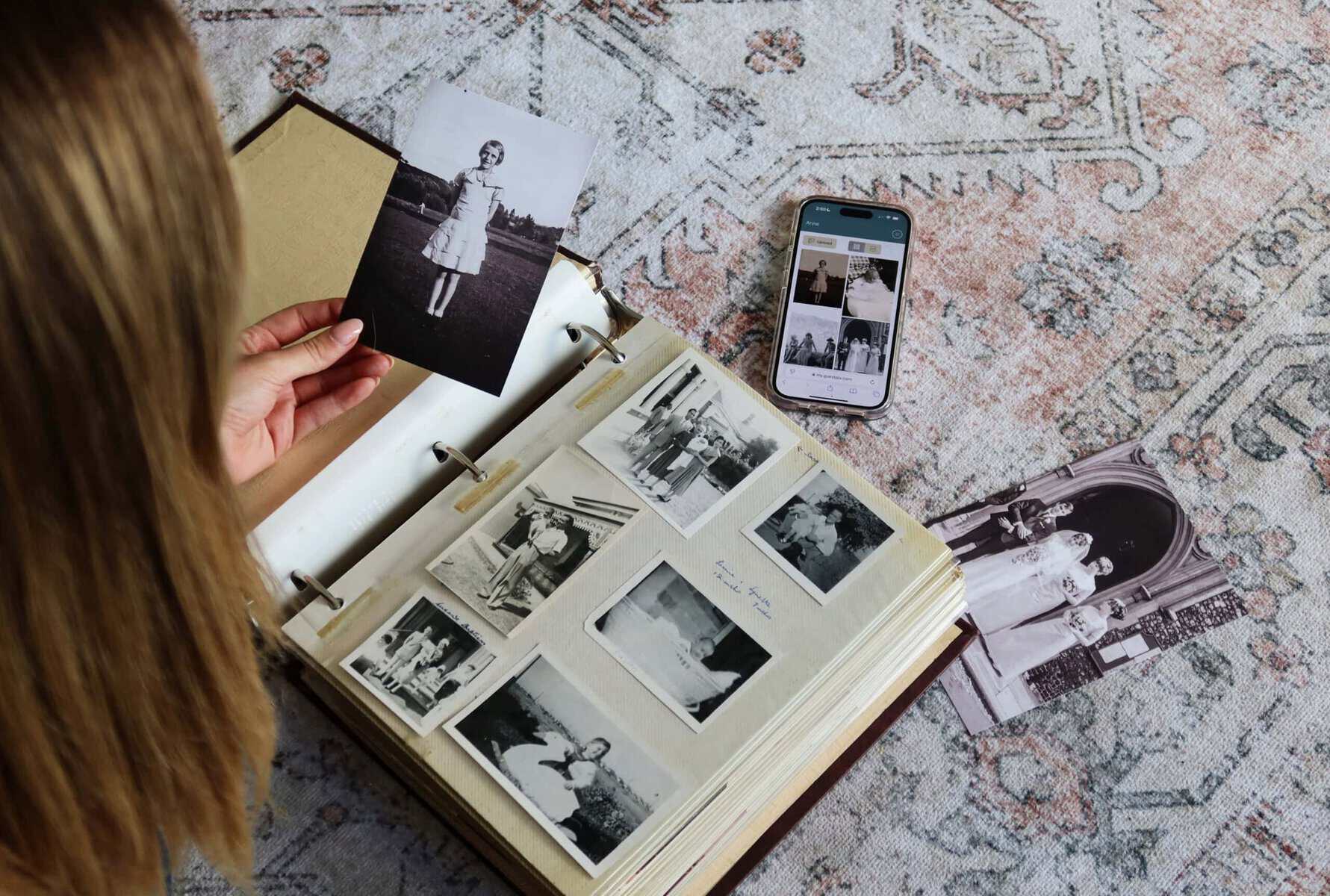
One of the biggest challenges in planning a celebration of life is collecting the images that tell the full story. Photos are often scattered across dozens of different places: old hard drives, printed albums in a relative’s attic, and the camera rolls of friends you have not spoken to in years. Trying to coordinate all of these images via group texts or email threads usually leads to low-resolution files and a lot of frustration for the person trying to build a slideshow at midnight.
The solution is to use a private digital album. Instead of chasing people down, you can provide one simple link or a QR code. Guests can upload their photos and videos directly from their phones without needing to download any apps or create accounts. This allows you to gather memories from everyone who knew the person, including those who may not be able to attend the event in person. With honorpix, you can start a free memorial gallery to collect and preserve these images in one central place.
Free to begin, no credit card. Open a gallery, add a few photos, and share one link with the family.
Once you have gathered the photos, you can easily select the best ones for a memorial slideshow. You might also choose to print some of these images to display on tables or in a physical guest book. The act of gathering these photos often becomes a celebration in itself, as people start sharing stories in the digital gallery long before the day of the event.
Step 5: Plan the food, drink, and small details
Food and drink are essential parts of any gathering. They provide comfort and give people a reason to stay and talk. The menu does not need to be fancy, but it should be thoughtful. Think about what the person loved to eat. Did they have a famous recipe for potato salad? Did they always insist on a specific brand of coffee? Incorporating these preferences is a subtle way to keep their memory present during the meal.
Catering options
Depending on your budget and venue, you might choose a full catering service, a local restaurant delivery, or a potluck style meal. Potlucks can be very meaningful in close-knit communities, as everyone brings a dish to share. However, if you are expecting a large crowd, a professional caterer can take the burden of setup and cleanup off the family’s shoulders. Even a simple spread of sandwiches, fruit, and cookies can be enough to sustain guests during the afternoon.
Beverage selection
Provide a variety of drinks, including water, tea, and soda. If the person enjoyed a specific cocktail or a particular type of beer, you might choose to serve that as a toast. Be mindful of the venue’s rules regarding alcohol and ensure there are plenty of non-alcoholic options for everyone. A hydration station with infused water and ice is a simple, low-cost way to keep guests comfortable, especially for outdoor events.
Small personal touches
The small details are often what people remember most. This might include a display of the person’s favorite books, their collection of vintage cameras, or the quilts they spent years making. You can also print out a one-page booklet for the day. If you want a complete template and layout ideas, see our celebration of life program guide. This helps guests follow the afternoon with ease and keeps everyone informed.
Step 6: Coordinate the day itself
When the day arrives, your primary goal is to be present and connect with the people who have come to honor the memory of the person. You should not be the one running around checking on the catering or fixing the sound system. If possible, delegate these tasks to a few trusted friends or hire a day-of coordinator. Having a small team to handle the logistics allows the family to focus on the emotional significance of the day.
Setup and greeting
Arrive at the venue early to ensure everything is in place. Check the seating, the photo displays, and the sound system. Set up a greeting table near the entrance with a guest book and any programs or memorial cards. Assign one or two people to act as greeters, welcoming guests as they arrive and showing them where to go. This simple act of hospitality makes everyone feel seen and appreciated.
Managing the flow
A typical celebration of life lasts between two and four hours. The first hour is usually for mingling and appetizers. This is followed by the speaking portion and the slideshow, which might take 45 to 60 minutes. The remaining time is for a meal or more casual conversation. The host should gently move the group from one segment to the next, ensuring that the event stays on schedule without feeling rigid.
Dealing with technology
Technology can be unpredictable. Test your slideshow and your audio equipment multiple times before the guests arrive. If you are playing music from a phone or a laptop, ensure it is fully charged and that you have the correct adapters for the venue’s system. Having a backup copy of your slideshow on a thumb drive is always a good idea.
Step 7: Keep the memories safe for the years ahead
The celebration of life is a single day, but the memories shared will last forever. After the event is over, you will have a wealth of new stories and photos that you did not have before. It is important to have a plan for how to preserve these. Many families choose to print the digital photos into a high-quality photo book or a bound volume of stories. This creates a physical keepsake that can be passed down through generations.
Ensure that your digital gallery is backed up in multiple locations. The honorpix gallery serves as a permanent online memorial for these memories, but you can also download all the files to your own computer for safekeeping. In the weeks following the event, take some time to look through the photos and read the comments left by guests. You may find stories you never knew, providing a new perspective on the person you loved. This continued connection is one of the most comforting outcomes of a well-planned celebration.
Celebration of Life Planning Checklist
Use this handy checklist to keep tasks distributed across helpers. If you want this in a printable booklet, download our free 13-page Celebration of Life Planner, which includes a six-week timeline, roles breakdown, run sheet, and budget tracker.
- [ ] Finalize the budget for venue, food, and decor.
- [ ] Choose a date and time that works for key family members.
- [ ] Secure a venue and verify their amenities.
- [ ] Create the guest list and send out invitations.
- [ ] Open a private honorpix gallery to start gathering photos.
- [ ] Select a host to lead the ceremony.
- [ ] Ask three to five people to prepare brief reflections.
- [ ] Plan the menu and hire a caterer if needed.
- [ ] Curate a playlist of meaningful music.
- [ ] Order any printed materials like programs or display cards.
- [ ] Test the audio-visual equipment at the venue.
- [ ] Designate a few friends to help with day-of logistics.
People who cannot be there
In our modern world, it is common for family and friends to be spread across the globe. Some elderly relatives may find travel too difficult, while others may be held back by work or personal commitments. It is important to include these people in the celebration. By sharing the link to your digital gallery, you allow them to contribute their own photos and written memories from afar. You might even choose to live-stream the speaking portion of the event so they can watch in real-time. Knowing that they have a way to participate helps them feel connected to the community of mourners and ensures their stories are not lost.
Frequently Asked Questions
How is a celebration of life different from a funeral?
+
A celebration of life focuses on the unique personality and joy of the person rather than following strict religious traditions or solemn funeral liturgies. While a funeral usually occurs shortly after a death in a formal setting like a church or mortuary, a celebration of life is flexible in both timing and location. Families frequently host gatherings at parks, community halls, backyards, or favorite restaurants weeks or months later. This gives guests the emotional freedom to share laughter, tell candid stories, and connect through positive memories rather than formal mourning rituals.
How long after a death should you hold a celebration of life?
+
There is no strict timeline, which is one of the greatest reliefs for grieving families. Most celebrations take place between three and eight weeks after passing, allowing immediate shock to subside and giving distant relatives time to book travel. Other families choose to wait several months until a significant milestone, such as the person’s birthday, an anniversary, or a favorable season they loved like summer or autumn. Waiting provides the breathing room necessary to plan thoughtfully without rushed decisions.
What is the typical budget for a celebration of life?
+
Costs range widely depending on venue selection and catering style, but celebrations of life are typically much less expensive than traditional funerals. An intimate backyard or park pavilion gathering with homemade refreshments can cost between $400 and $1,200. A catered celebration at a rented hall, brewery, or gallery usually ranges from $2,500 to $6,000 for 50 to 100 guests. Using digital tools for invitations and collective photo sharing eliminates expensive printing fees and keeps overall expenses manageable.
Do you need a formal program or order of service?
+
A formal program is not required, but providing a simple printed outline or an entrance sign helps guests feel comfortable and oriented. A one-page folded card with a welcome note, speaker list, favorite quote, and a QR code to view and upload photos is ideal. It gives guests a tangible keepsake to bring home without requiring expensive multi-page printing. You can easily adapt a free printable template or display the schedule on an easel near the greeting table.
Planning this event is an act of kindness toward everyone who knew the person. It provides a structured space for people to process their grief while also remembering the joy that the person brought into the world. Take your time with the process and do not be afraid to ask for help from those around you. The stories you tell and the memories you collect will remain with your family for years to come.
honorpix is built by the team behind GUESTPIX.



4 Responses